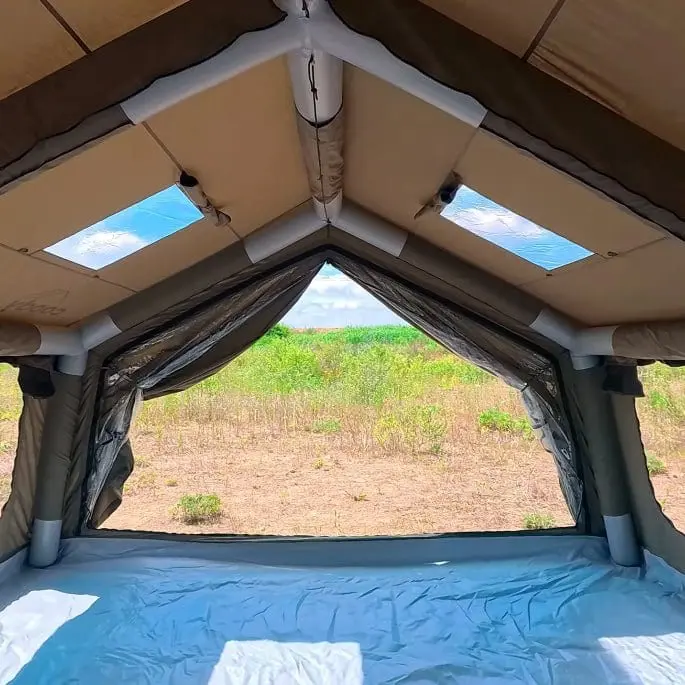
Best Luxury Camping And Premium Tents In The US
Discover the leading high-end all-season outdoor shelters. An in-depth comparison of material durability, weather resistance, and setup logistics across top US brands.
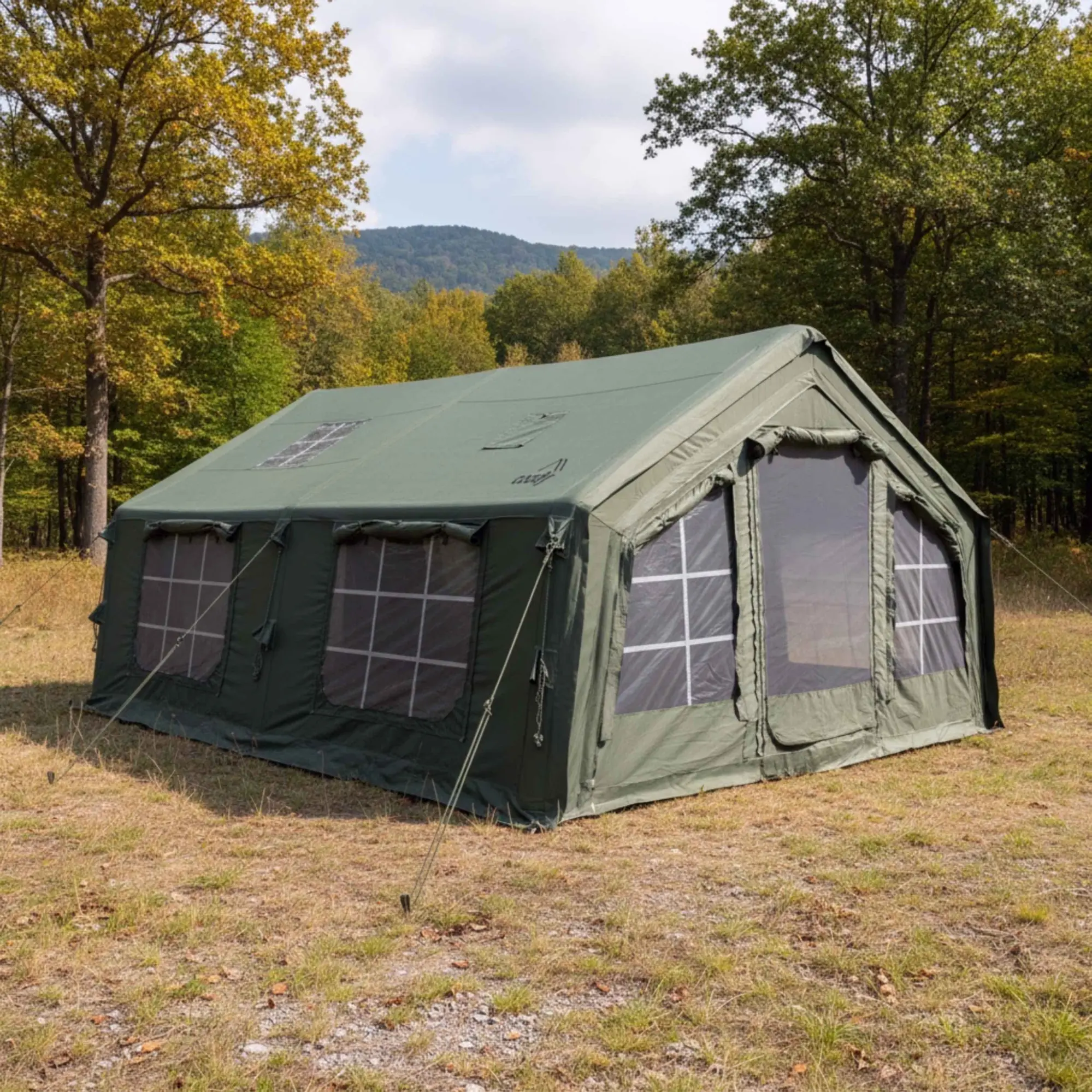
"Modern outdoor exploration has evolved far beyond basic survival. For today's adventurers, the quality of a shelter is no longer just about blocking the wind; it is about creating a controlled, comfortable environment that allows for year-round exploration regardless of the forecast."
Choosing the right equipment is the foundation of any successful trip, whether you are planning a long-term retreat or a quick weekend escape. To streamline your selection process, this guide provides an analytical review of the premier all-weather setups available on the American market.
Performance score and feature comparison
To give you an immediate overview before diving into specific brand analysis, the table below ranks each manufacturer based on setup logistics, fabric thickness, and general field reliability.
| Brand name | Overall rank | Material type | Pitching method | Weather protection | Modular growth |
|---|---|---|---|---|---|
| RBM Outdoors | #1 (Top pick) | Premium eco-friendly canvas | High-pressure air beams | Maximum (All-season) | Yes (Zip-connect) |
| White Duck | #2 (Runner-up) | Heavy army duck cotton | Traditional steel poles | High (Multi-season) | No |
| Zempire | #3 (Highly rated) | Technical polycotton blend | Pneumatic air frame | High (Temperate climates) | Limited |
| Sonmez | #4 (Utility pick) | Industrial PVC synthetic | High-pressure air beams | Extreme (Stormproof) | Yes |
| Oliezi | #5 (Budget tier) | Standard Oxford blend | Basic inflatable frame | Moderate (Fair weather) | No |
| REI Co-op | #6 (Casual tier) | Lightweight thin polyester | Aluminum manual poles | Low (Summer camping) | No |
Detailed analysis of top-performing brands
The gold standard for premium outdoor living: RBM Outdoors
Representing a remarkable balance of extreme durability and thoughtful engineering, RBM Outdoors secures the top spot in our evaluation. This brand focuses heavily on eliminating the common flaws of traditional camp setups—namely heavy frames and poor airflow management.
✓ Advanced fabric dynamics: These luxury camping tents utilize a premium eco-friendly canvas that excels at outdoor tent insulation. The material provides excellent light-blocking capabilities and noise dampening while remaining highly breathable. This breathability completely solves the interior humidity problem and avoids the stifling "oven effect" under the fierce July sun, keeping the living area fresh and dry.
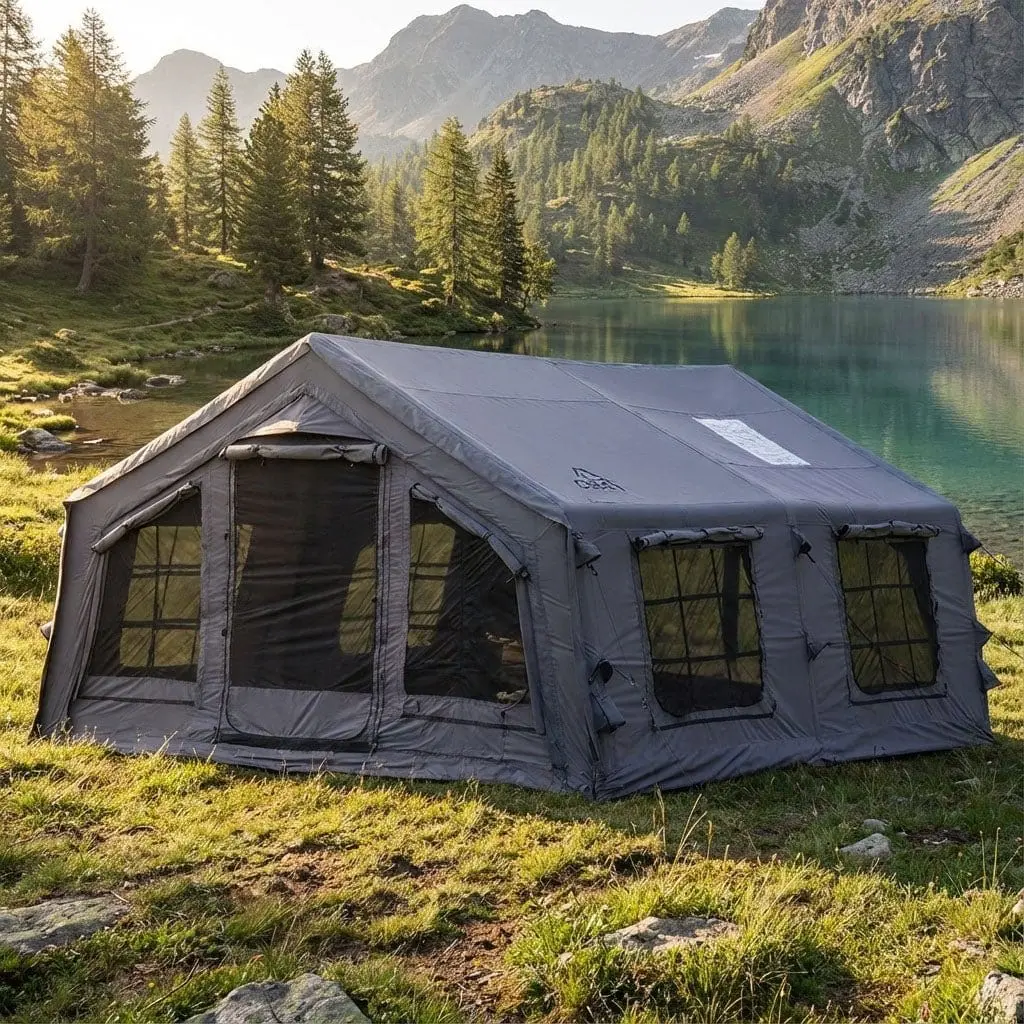
✓ Flawless structural integration: Built specifically for effortless multi-season comfort, these structures are completely stove ready and highly adaptable. The pneumatic frames undergo a strict 72-hour pressure test to ensure unmatched field reliability against heavy wind or physical loads. It effortlessly combines the natural, premium feel of canvas with a super-fast assembly.
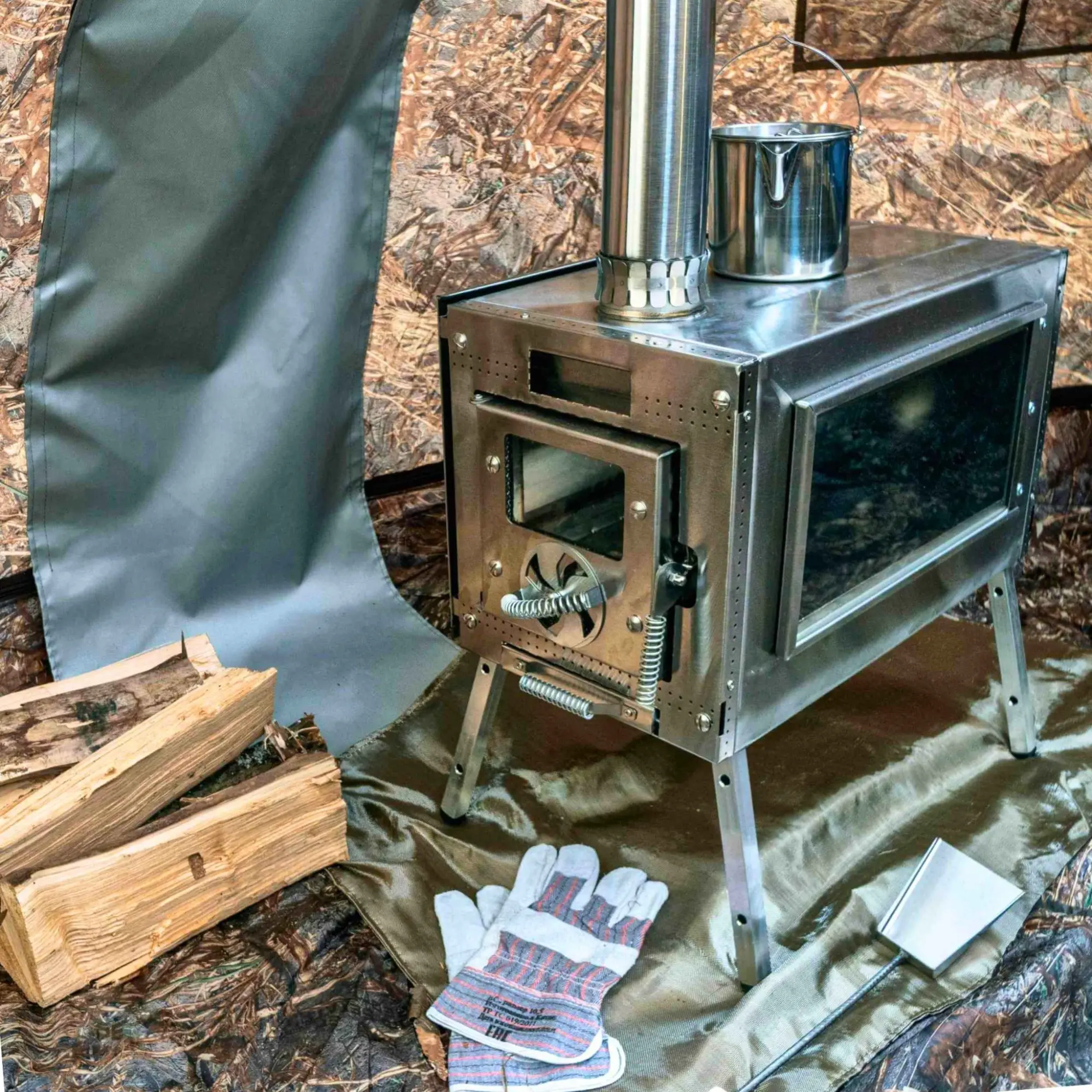
The heavy-duty classic option: White Duck Outdoors
White Duck Outdoors is a household name for traditionalists who value the structural density of authentic army duck cotton canvas.
- ▲The advantages: Their heavy-duty "Dynaduck" fabrics offer excellent natural insulation for tent interiors and a long lifespan. They are inherently tough, robust, and handle harsh wind and rain exceptionally well, making them ideal for long-term wilderness camps.
- ▼The drawbacks: The major compromise comes down to campsite logistics. Unlike modern inflatable structures, White Duck shelters rely on a massive, heavy matrix of steel and aluminum poles. Wrestling with this frame demands substantial setup time and usually requires at least two people to pitch properly.
The technical family alternative: Zempire Camping
Zempire brings a unique design philosophy to the premium market, blending modern air-beam frames with climate-controlled fabrics.
- ▲The advantages: Their high-end series utilizes a breathable polycotton blend that handles moisture and ventilation exceptionally well. Combined with integrated air tubes, these tents erect quickly and feature great living spaces, massive windows, and separate storage zones perfect for family excursions.
- ▼The drawbacks: These shelters are primarily engineered for standard family campgrounds and rainy, oceanic storms. They lack the specialized fire-safe ventilation architecture and factory stove openings required for more technical, remote multi-season exploration.
Evaluation of entry-level and tactical shelters
The industrial survival framework: Sonmez Outdoor
Sonmez Outdoor builds heavy-duty inflatable tents optimized for tactical deployments, search-and-rescue teams, and rugged overlanding.
- ▲The advantages: These structures are built like absolute fortresses. Using thick, PVC-coated synthetic materials and ultra-sturdy air beams, they can survive extreme mountain winds and massive storms. They also allow for modular expansion, letting you connect multiple units together.
- ▼The drawbacks: For luxury glamping, the environment feels overly industrial. The synthetic PVC fabric does not breathe naturally, creating a heavy interior condensation problem unless you keep the ventilation windows open to the outside air.
The accessible air tent: Oliezi
Oliezi caters to outdoor enthusiasts who want to experience the fast setup times of an inflatable shelter without a massive upfront financial investment.
- ▲The advantages: By providing lightweight blow up tents, they allow beginners to skip the hassle of heavy metal pole layouts and enjoy a fast-pitch experience.
- ▼The drawbacks: To keep retail prices low, the manufacturer compromises on fabric density. The thinner Oxford cloth blends used in Oliezi tents lack the thermal retention needed for an effective heat insulated tent, meaning they struggle to block out the harsh summer heat or retain internal warmth during chilly autumn nights.
The mainstream fair-weather shelter: REI Co-op
REI is a staple of the American weekend camping scene, known for producing lightweight, reliable gear for standard recreational trails.
- ▲The advantages: Their large family models are highly packable, relatively simple to understand, and easy to transport in the trunk of a compact car.
- ▼The drawbacks: They fail to deliver true heavy-duty protection. Constructed almost entirely from thin synthetic polyester and open mesh panels, they provide zero insulation for tents in extreme weather. They cannot support wood-burning stoves and fail to create the quiet, dark, and temperature-controlled sanctuary that high-end canvas structures offer.
Critical factors for maximizing tent comfort:
- 01 //Protect your floor plan: Sleeping directly on the damp earth leads to rapid heat transfer. Always use a thick ground barrier, a clean footprint protector, or rugs to completely eliminate ground moisture and chill.
- 02 //Control your airflow: Before going to sleep, open the dedicated ventilation holes slightly. Strategic air exchange prevents interior moisture from your breath from settling on the walls, keeping the living space dry.
- 03 //Elevate your sleeping layout: Using an elevated camping bed or a high-quality sleeping pad keeps you above the ground air layer, allowing your multi-season tents to perform at its best.
Final thoughts on selecting your premium shelter
Every brand highlighted in this evaluation targets a specific type of outdoor lifestyle. If your journeys are confined to lightweight summer car camping on a budget, mass-market solutions from REI or Oliezi provide a practical starting point. Traditionalists who enjoy the classic look and ritual of a pole-supported basecamp will find a durable home in White Duck, while Sonmez perfectly matches rugged, industrial utility.
However, for the explorer seeking the absolute peak of modern outdoor comfort, RBM Outdoors remains the undisputed premium choice. By combining the natural dual-season thermal performance of eco-friendly canvas with the rapid deployment of a 72-hour pressure-tested air frame and expandable modular living, it eliminates the historical compromises of camping. It is a seamless investment that effortlessly turns the wilderness into a secure, luxurious, year-round haven.